Gottman Method vs. EFT: How to Choose the Right Approach for Your Relationship
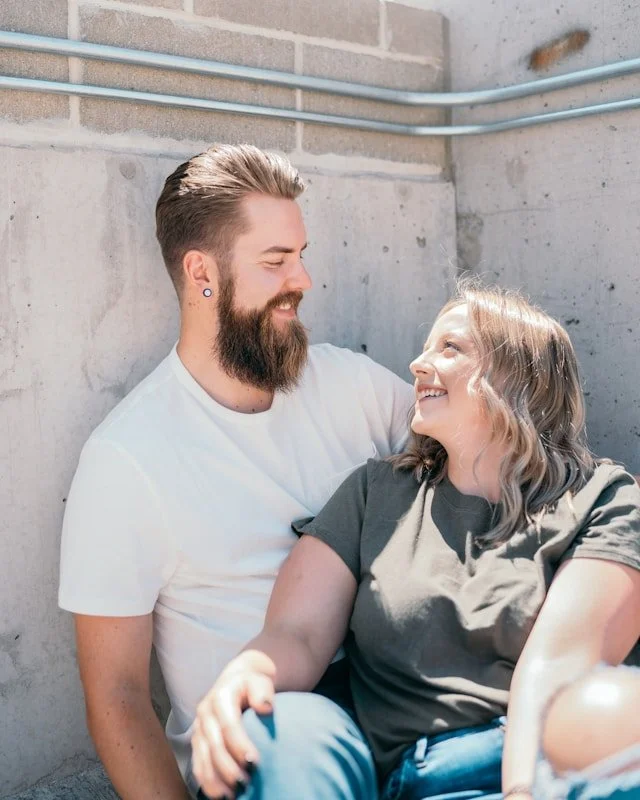
Both the Gottman Method and Emotionally Focused Therapy (EFT) are research-backed, highly effective approaches to couples therapy. But they work differently. Here's how to figure out which one might be right for you–or whether combining them makes the most sense.
The Short Version
Gottman Method teaches you the specific skills and tools that make relationships work–based on 40+ years of research on what successful couples actually do.
EFT helps you understand and reshape the emotional patterns underneath your conflicts–based on attachment theory and what we need to feel secure with the people we love.
Both work. Both are evidence-based. And honestly? Many therapists (including us) draw from both, depending on your needs.
How the Gottman Method Works
The Gottman Method is built on decades of research observing what successful couples do differently. Dr. John Gottman studied thousands of couples in his "Love Lab" and identified specific patterns that predict whether relationships thrive or struggle.
The focus: Skills and behaviors.
Gottman Method teaches you concrete tools:
How to have productive conflict (instead of destructive conflict)
How to build friendship and fondness
How to turn toward each other instead of away
How to create shared meaning and rituals
How to avoid the "Four Horsemen" (criticism, contempt, defensiveness, stonewalling)
What it feels like:
Structured. Practical. You're learning specific techniques you can use immediately. There's often homework–things to practice between sessions.
What it's good for:
Couples who want concrete tools and skills
Patterns you can see (like how you fight, how you repair, how you show appreciation)
Building friendship and positive sentiment
Navigating perpetual problems (the issues that never fully go away)
Understanding what makes relationships work, based on data
How EFT Works
Emotionally Focused Therapy is based on attachment theory–the idea that we're wired to need secure emotional connection with the people we love. When that connection feels threatened, there’s a set of predictable ways that humans react to protect ourselves.
The focus: Emotions and attachment.
EFT helps you:
Understand the cycle you're stuck in (pursue-withdraw, withdraw-withdraw, etc.)
Access the deeper emotions underneath your conflicts (not just anger–the fear, sadness, longing beneath it)
Share vulnerabilities with each other in new ways, creating new relational experiences that strengthen your bond
Create a more secure attachment and the feeling that you can really count on each other
What it feels like:
Emotional. Deep. You're not just learning skills–you're having completely different kinds of conversations. The ones where you actually reach and understand each other.
What it's good for:
Understanding why you keep fighting about the same things
Accessing and expressing deeper emotions
Rebuilding trust and emotional safety
Breaking cycles of pursuit and withdrawal
Couples where one or both people struggle to be vulnerable
Can You Combine EFT and Gottman Method?
Yes. And many therapists do.
For example, you might use:
EFT to understand the emotional cycle you're stuck in and access deeper vulnerabilities
Gottman to learn specific tools for managing conflict and building friendship
Or you might start with one approach and shift to the other as your needs change.
At Rising Relationship Center, we draw from both. We're trained in Gottman Method and EFT, and we use whichever approach (or combination) serves you best.
Which One Is Right for You?
You might lean toward Gottman Method if:
You want practical tools you can use right away
You appreciate structure and clear frameworks
You're comfortable with your emotions but need better communication skills
You want specific techniques for managing conflict
You might lean toward EFT if:
You want to understand the deeper patterns driving your conflicts and make change that lasts
You struggle to access or express vulnerable emotions
You feel disconnected and want to rebuild emotional intimacy
One or both of you tends to shut down or pursue
You might benefit from both if:
You want practical skills and emotional depth
You're dealing with complex issues that need multiple approaches
You like the idea of combining tools with emotional understanding
What the Research Says
Gottman Method:
Studies show significant improvement in relationship satisfaction and communication
Particularly effective for reducing negative conflict patterns
Strong evidence base for teaching specific skills that improve relationships
EFT:
Research shows 70-75% of couples move from distress to recovery
Particularly effective for rebuilding trust and emotional connection
Strong evidence for creating lasting change in attachment security
The bottom line: Both work. Both are evidence-based. The "best" approach depends on what you need and what resonates with you.
How to Decide
Talk to potential therapists. Ask them about their training and approach. A good therapist can explain how they work and why they think it's a good fit for you.
Trust your gut. Some people read about Gottman Method and think "yes, that's what I need." Others read about EFT and feel the same way. Your instinct matters.
Try it. You won't really know until you experience it. Give it a few sessions. See how it feels. You can always adjust.
Ask your therapist. If you're already in therapy and wondering if a different approach might help, bring it up. Good therapists are flexible.
What to Ask a Potential Therapist
"What's your training in Gottman Method and/or EFT?"
Some therapists are certified in one or both. Others have training but aren't certified. Either can be effective–you're looking for depth of knowledge.
"How do you decide which approach to use with a couple?"
Their answer will tell you how they think about matching an approach to client needs.
"Can you give me an example of what a session would look like?"
This helps you visualize the work and see if it resonates.
"Do you ever combine approaches?"
If you're drawn to both, find out if they're comfortable integrating them.
How We Use EFT & the Gottman Method at Rising Relationship Center
We're trained in both Gottman Method and Emotionally Focused Therapy. We don't pick one and stick to it rigidly–we use whichever approach (or combination) fits what you're working on.
We might use Gottman Method for:
Teaching conflict management skills
Building friendship and positive interactions
Working with specific patterns like criticism or stonewalling
Helping you understand what the research says about successful relationships
We might use EFT for:
Accessing deeper emotions and vulnerabilities
Breaking pursue-withdraw cycles
Rebuilding trust and emotional safety
Creating secure attachment
We might use both for:
Complex situations that need practical tools and emotional depth
Couples who want skills and also want to understand what's driving their patterns
The goal isn't to be loyal to a method. The goal is to help you.
Ready to Get Started?
If you're curious about the Gottman Method, EFT, or how we might combine them for your relationship, let's talk. We'll chat about what's going on, answer your questions about different approaches, and figure out what makes sense for you.